

All about (rebuilding) that base
Back on my feet: June 2026 training recap + finding new reasons to run.

This letter is part of my running series, where I document the dreams, miles, and lessons that fill the hours outside building my pop-up bakery in Santa Fe.

After my last letter about running three years ago, my motivation to train was higher than ever. But my body, inexplicably, had started to fall apart. I’d head out for a slow recovery jog and my heart would race so fast I had to walk to catch my breath.
My doctor couldn’t find anything physically amiss; still, after enough time had passed without improvement, this pattern left me feeling like something was Seriously Wrong With Me™️ on a deeper level.
I gave up on the idea of racing again. I got down on myself. I resigned to merge with the sofa.
I’ve since learned that our bodies can’t tell the difference between training stress and life stress. My weekly mileage was low enough that I didn’t look like a victim of overtraining, but the immense grief from my mom’s death and my layoff had strained my system in ways I didn’t yet understand.
And so my newly-sedentary lifestyle continued…until I arrived in Paris for baking school almost two years later.
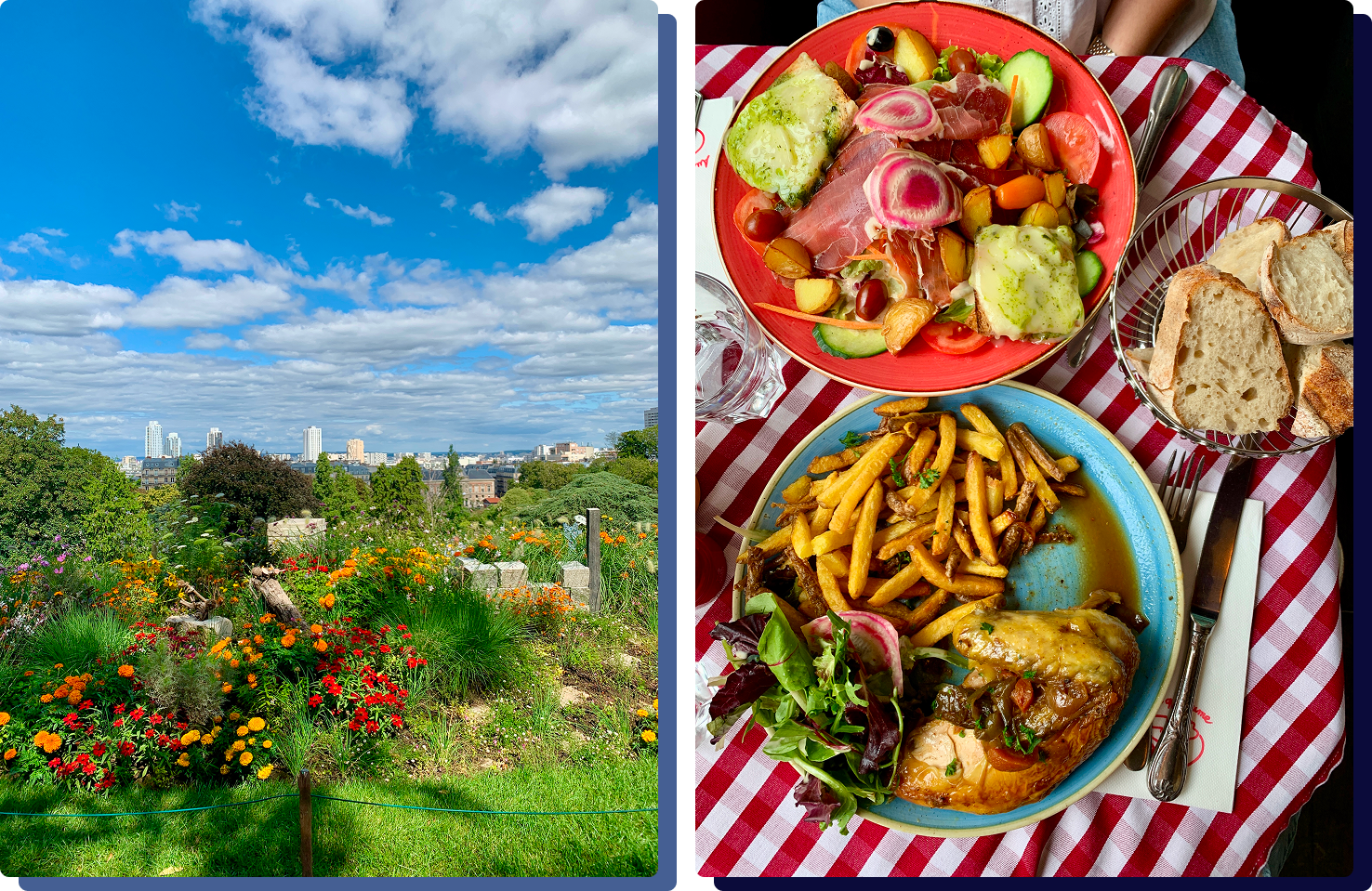
Turns out that taste-testing seven bread recipes per day, living near a running path along the Seine, and meeting a wonderful classmate-turned-running-buddy was my personal recipe for learning to love the sport again.
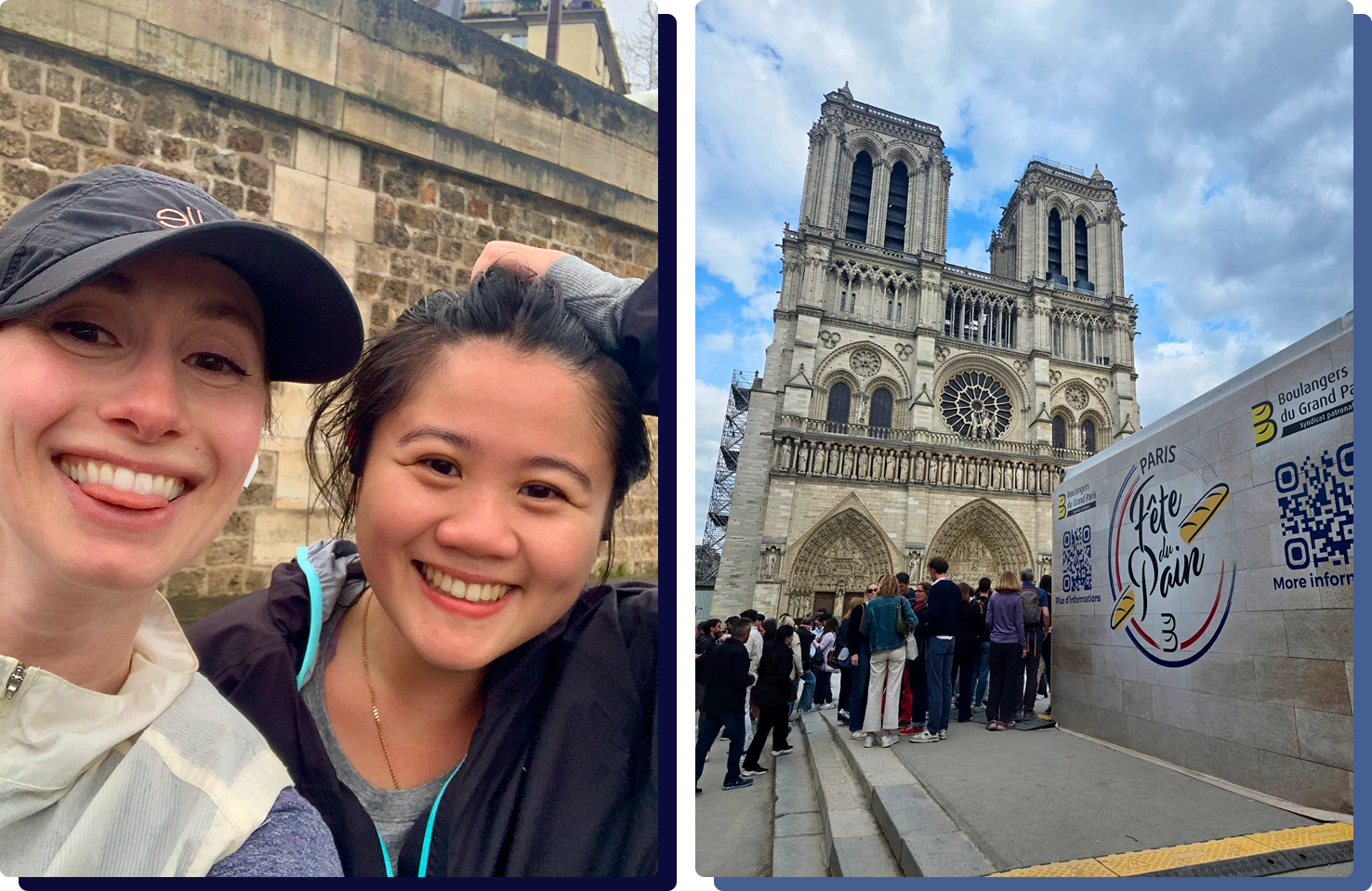
Still, the instability of my time abroad didn’t lend itself to athletic seriousness.
Yes, I jogged in the Parc des Buttes Chaumont and Frederiksberg Have. I navigated two different short-term gym contracts written in French and frequented Copenhagen’s Vesterbronx Gym, which features an epic mural of Arnold Schwarzenegger smoking a cigar. I was showing up for my athletic self again…but I didn’t feel rooted enough to train for anything.
Cut to today: I have permanent housing here in Santa Fe. The basic operations of my pop-up bakery are under control. I’ve learned to respect the impact of life stress on training.
In conclusion, I’m ready to set new goals again, and to chase after them. Here’s a little update from my first month back in the game!

Taking your running seriously doesn’t require having a goal race, though picking one doesn’t hurt. When you choose a specific destination, it becomes much easier to plan your route, right? All of a sudden, there’s an organizing principle for your athletic life.
Right now, I’m more focused on safely, sanely rebuilding a running base—a platform from which any training block can eventually spring from. (Lately, that’s meant two strength training sessions per week, and transitioning from a couple of weekly run/walks, to four easy runs, to slow-but-steady increases in mileage.)
That doesn’t stop me from daydreaming…
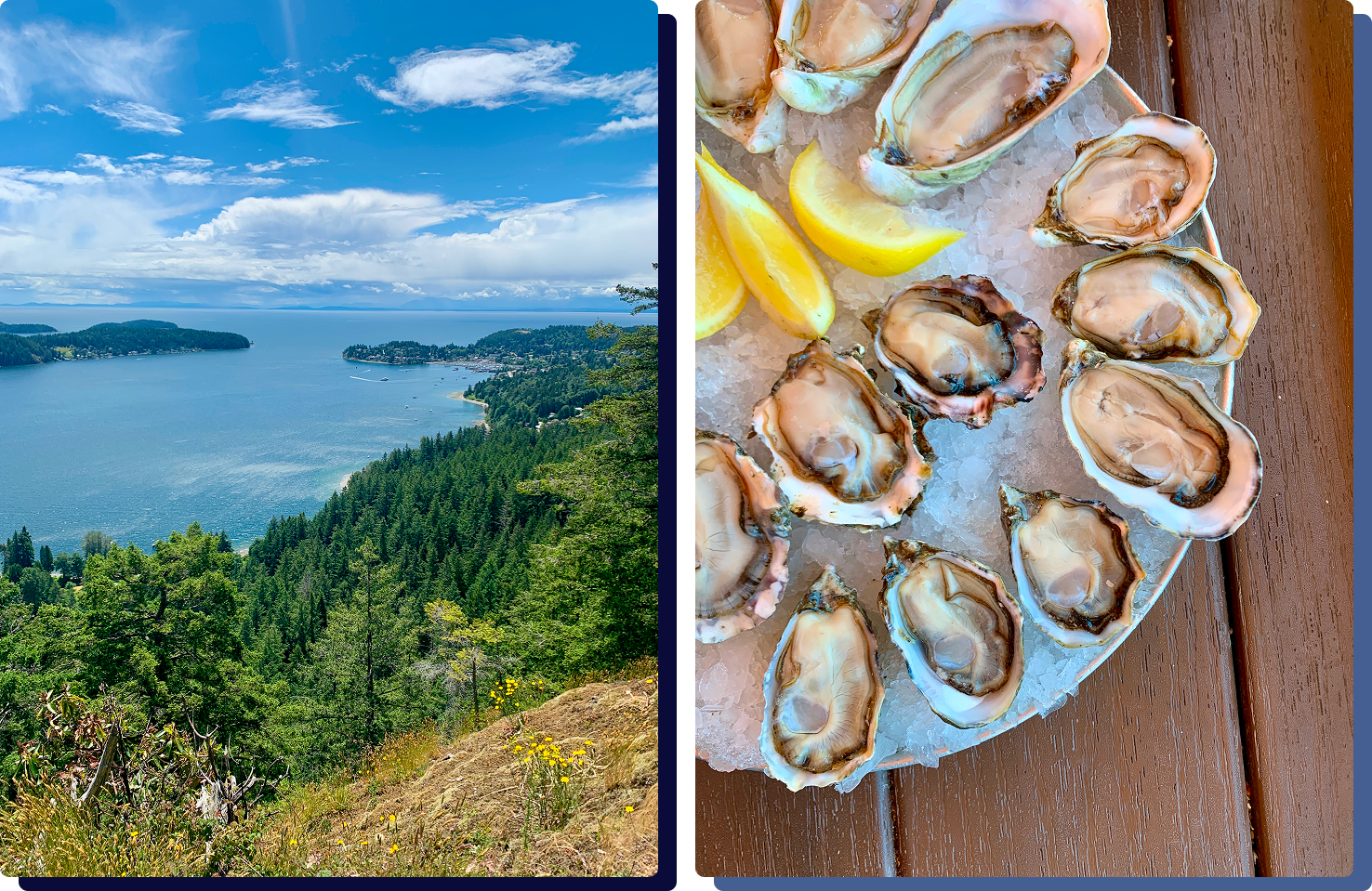
As I mull over limitless options, I have two criteria that’ll eventually help narrow down the field:
I want to run my first trail race—that is, a race that’s held on natural (and usually stunning!) terrain rather than asphalt; and
I want to get back to my beloved Pacific Northwest or the Canadian Rockies.
I’ll keep you updated.

I’m a “drive my car until the wheels fall off” kind of person, as evidenced by my running wardrobe and watch, both of which could be considered…well, vintage. But I’m also the kind of person who recognizes that some problems can be solved by strategic purchases—a “gear not stuff” mindset, as Michael Easter might put it.
These are the things I bought in June that solved real problems for me.
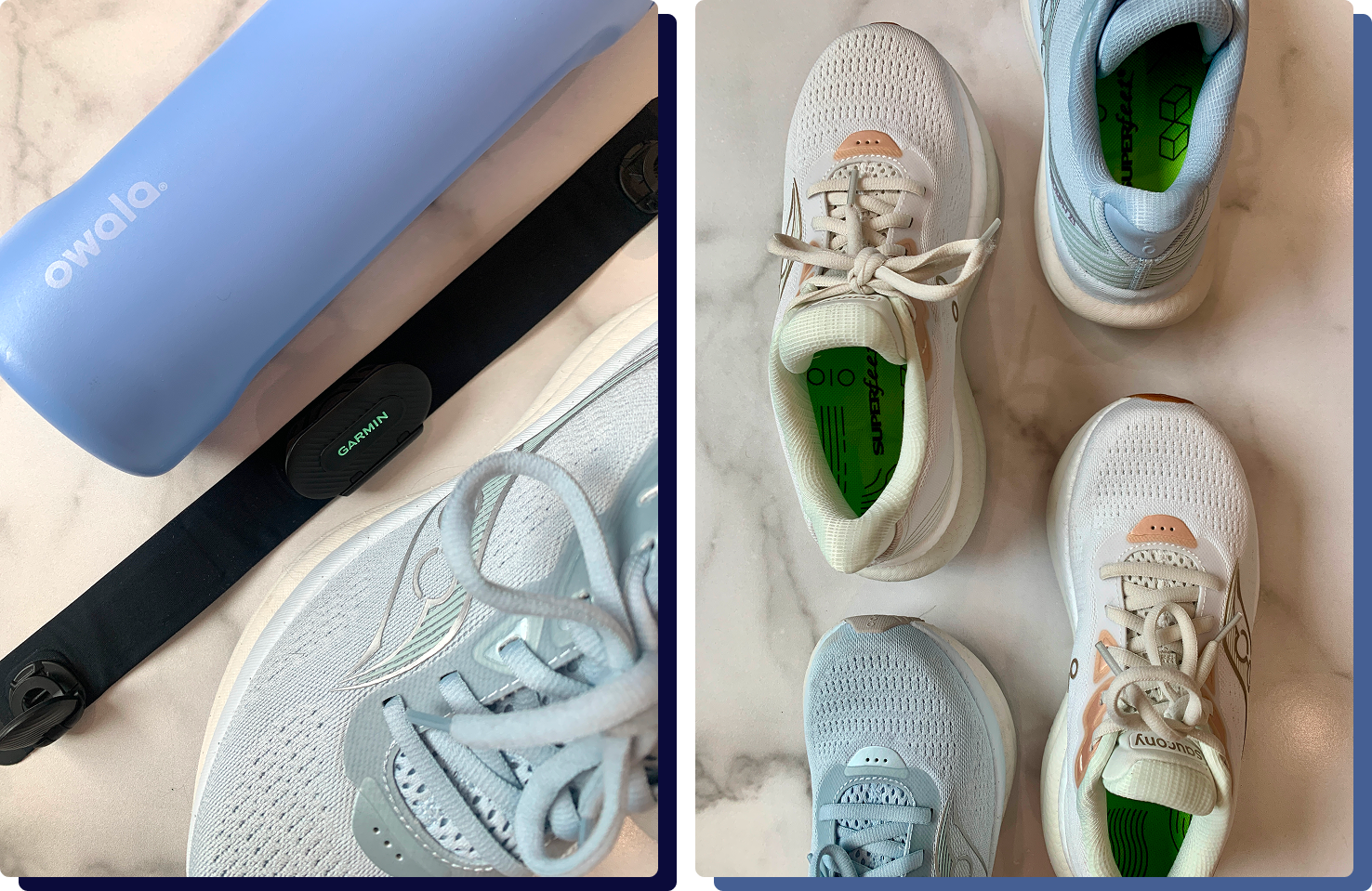
Owala water bottle + stainless steel Koala Straw. Moving to the desert required me to get serious about hydration in a way I never managed to before. Despite carrying a bottle everywhere, I still didn’t drink enough; the form factor (read: unscrewing a cap using both hands) was just inconvenient enough to deter use. The FreeSip’s single-handed flip-top, plus the ability to sip or gulp, changed the game for me.
Garmin HRM-Fit. Until now, I didn’t have heart-rate data to keep tabs on—shocking, given my recovery challenges three years ago. This heart-rate monitor clips elegantly onto the bottom of my sports bra, so I’ve found it to be equal parts useful and comfy.
Iron and Vitamin D supplements. Being thoughtful about my training requires that I keep tabs on, and address, the vitamin and mineral deficiencies that plague me. One relatively cheap date at Quest Diagnostics and a few weeks of supplements later, and I feel like a new woman.

I’ve been baking up a storm these past months, but it’s all been for work at Atomic Bakehouse—recipe development, testing, and production. That hasn’t left me with much time, energy, or interest in baking at home “for fun”…that is, until I started running again and found myself hungry. All. The. Time.
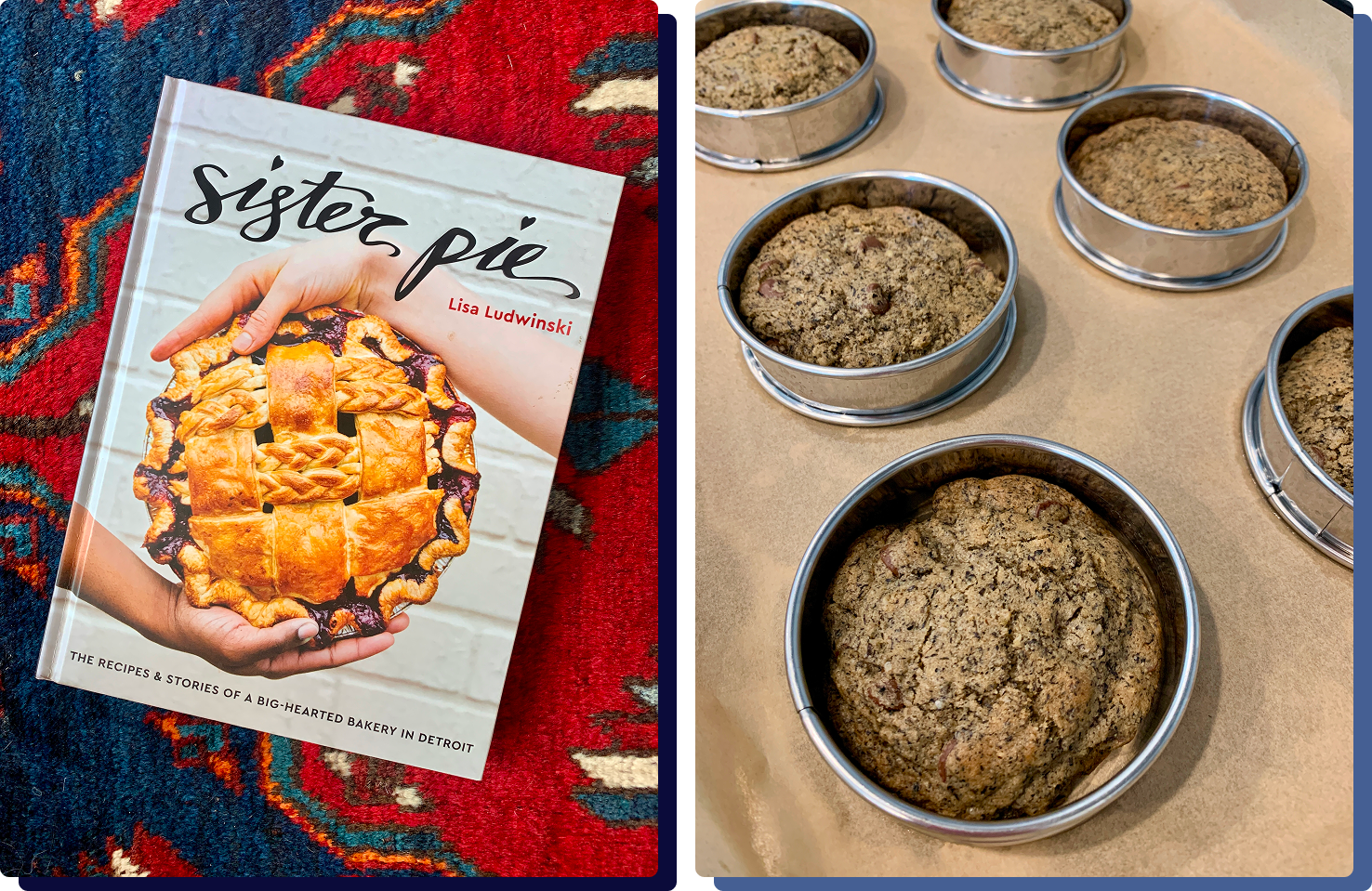
My hunger inspired me to bust out an old favorite: the buckwheat chocolate chip cookies from Lisa Ludwinski’s Sister Pie cookbook (it’s been years since I visited the namesake bakery in Detroit, but it remains a standout, five-star memory).
This time, I tried a new trick borrowed from Alex Roberts in his own dreamy chocolate chunk cookie recipe: using 3.5-inch pastry rings to make the cookies perfectly round and perfectly deep-dish.
I’ve found that 75 grams is the perfect size for each cookie dough ball in this size pastry ring, and yes, I do have a stash of these lying in wait in my freezer, ready to pop into the oven at a moment’s notice.

As I get older, I’m increasingly drawn to stories of “late bloomers” of all kinds, and on the athletic front, Gwendolyn Bounds describes herself as exactly that. She’s a career journalist and author of Not Too Late, a book about discovering competitive obstacle-course racing in her mid-forties, and—against all odds—excelling at the pursuit.
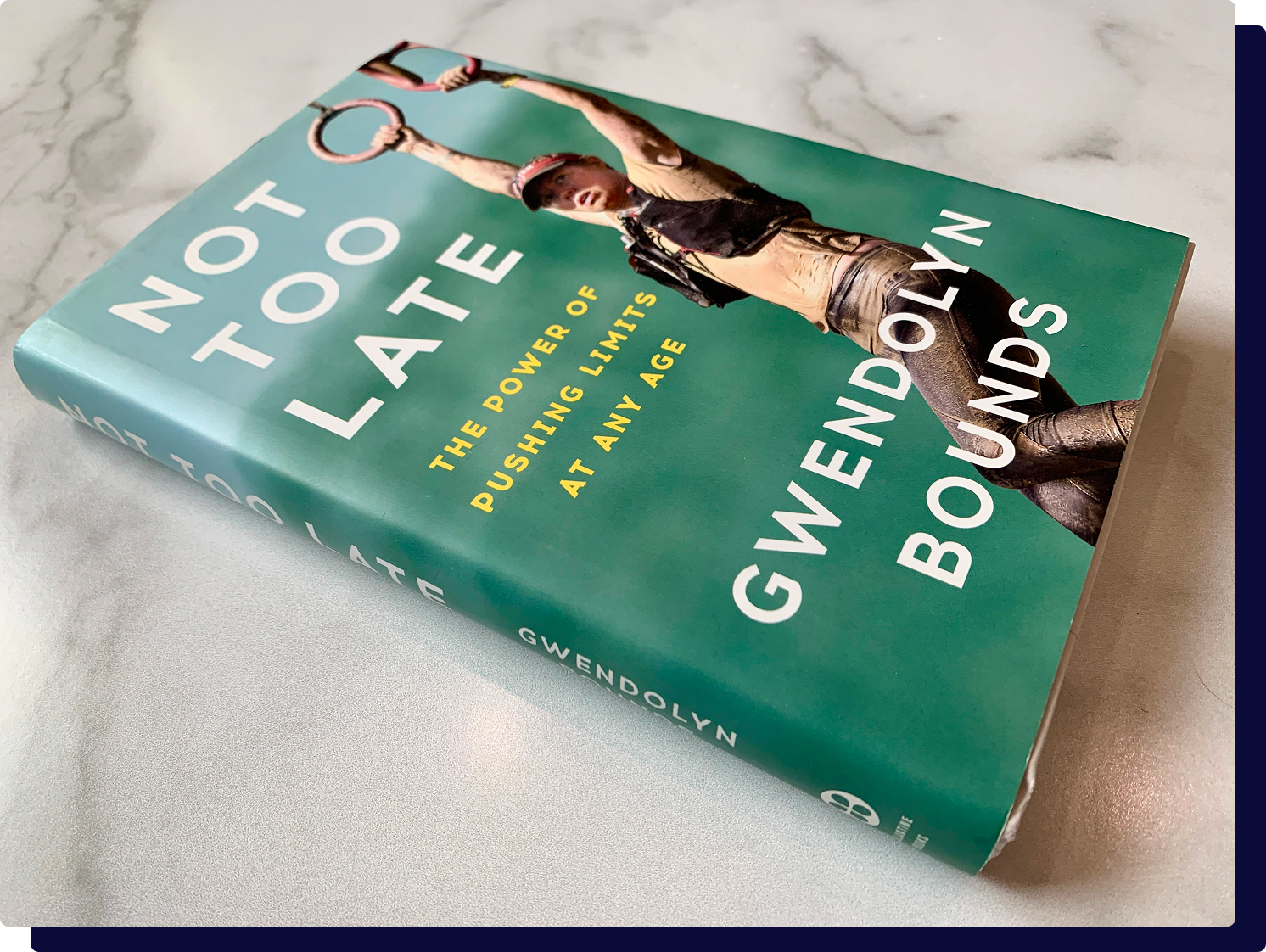
I was captivated by the whole book, but this question stopped me in my tracks: “How is it possible to become good at something when you are already so far behind and time is running short?” (And when you’ve lost the advantages of youth?)
She answers it in many different ways, through research and by recounting her own story, but this angle will stick with me:
If we are to harness age as a secret weapon, we must locate our edges and equalizers—those attributes or skills that give us an edge and do not necessarily tip the advantage to youth. That includes harnessing something known as our crystallized intelligence, which is essentially drawing upon learnings from our past experiences. The older you are, the more you’ve tried, failed, succeeded and learned. Your situational awareness and bank of stored knowledge are vaster than they were when you were younger. Draw from that bank.
Don’t mind if I do.

Flour Powered is a newsletter about pastries with a side of personal growth, written by a baker-slash-entrepreneur-slash-runner. Subscribe to get each letter fresh from the oven, and hit the 💙 to help new readers discover it.
Beautiful! Those are awesome goals, and I'll definitely be checking out that book :)
This was a lovely read. It felt like catching up with an old friend :)